You remember that your friend had something important coming up. Was the presentation this week or next? A short note after a conversation can give you a place to look, instead of searching old messages or guessing. Keep only what helps you show up thoughtfully next time.
Write one useful line
Start with something your friend chose to share and that you would naturally ask about again. You do not need a complete record of the conversation. These examples are deliberately ordinary:
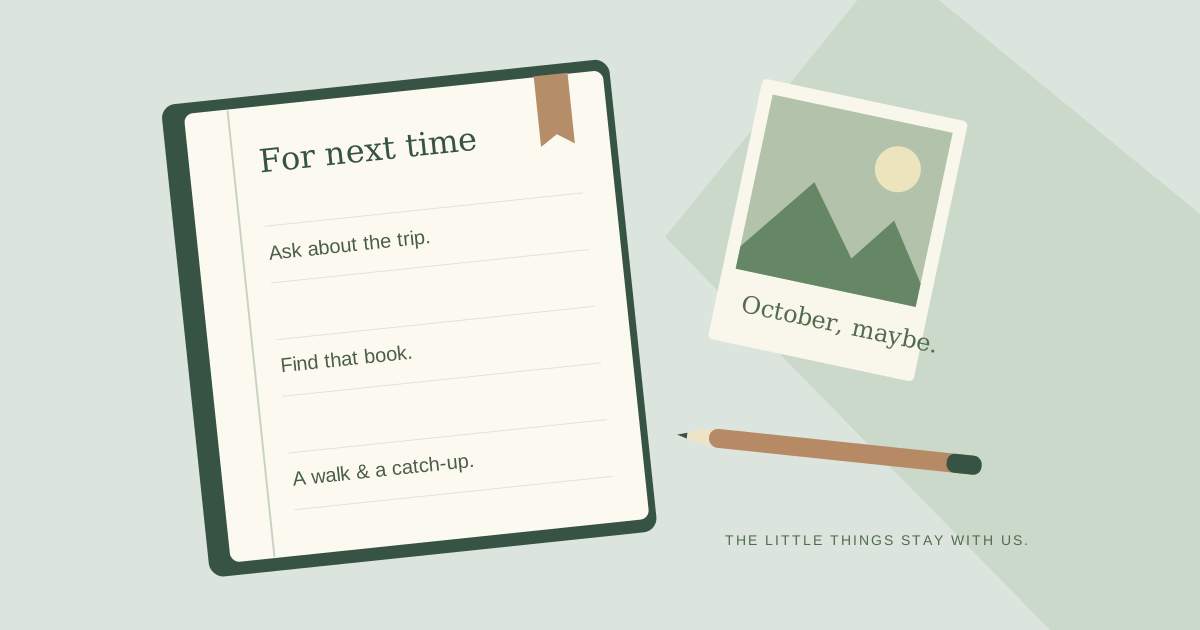
- “Sam is trying a pottery class. Ask how the first piece turns out.”
- “Jo recommended a mystery novel. Find the title before the library trip.”
- “Ari prefers a walk to a noisy cafe for a catch-up.”
- “Nina is visiting her sister in October. Ask about the trip afterward.”
A simple format is enough: what they mentioned, when you heard it, and what you want to ask next. Adding a date helps distinguish a current plan from something they told you months ago.
Use the note as a starting point
Plans change. “You mentioned a pottery class last time. Did you end up going?” leaves room for a different answer. “How was your pottery exhibition?” adds a detail you do not actually know. Check your memory without filling in the blanks.
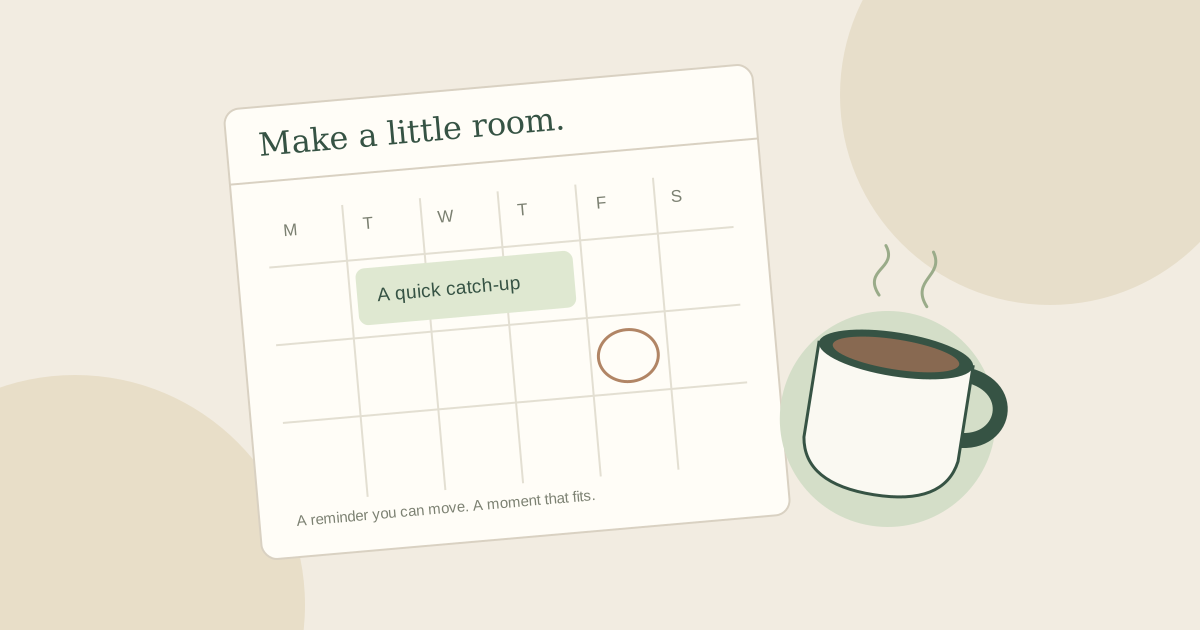
You can use a notebook, a notes app or a tool designed for keeping in touch. Pick something you will revisit. If you want to follow up on a particular day, a reminder can be more useful than a longer note. Our guide to staying in touch during busy weeks suggests a flexible routine.
Keep it considerate
A note should help you listen, not turn a friend into a file. Skip intimate details, secrets and information you do not need. Avoid copying whole conversations or recording people without their knowledge. Before saving a note in any service, check who can access it and whether it is sent to another provider for features such as AI drafting.
Update or remove notes when they are no longer useful. If a friend is uncomfortable with you keeping a detail, respect that. The goal is a thoughtful conversation, not a perfect archive.
When you are ready to reach out, one remembered detail is plenty: “I saw a book you might like” or “How did that class go?” If it has been a while, these simple ways to restart a conversation can help you find your own words.